Projects
Overview
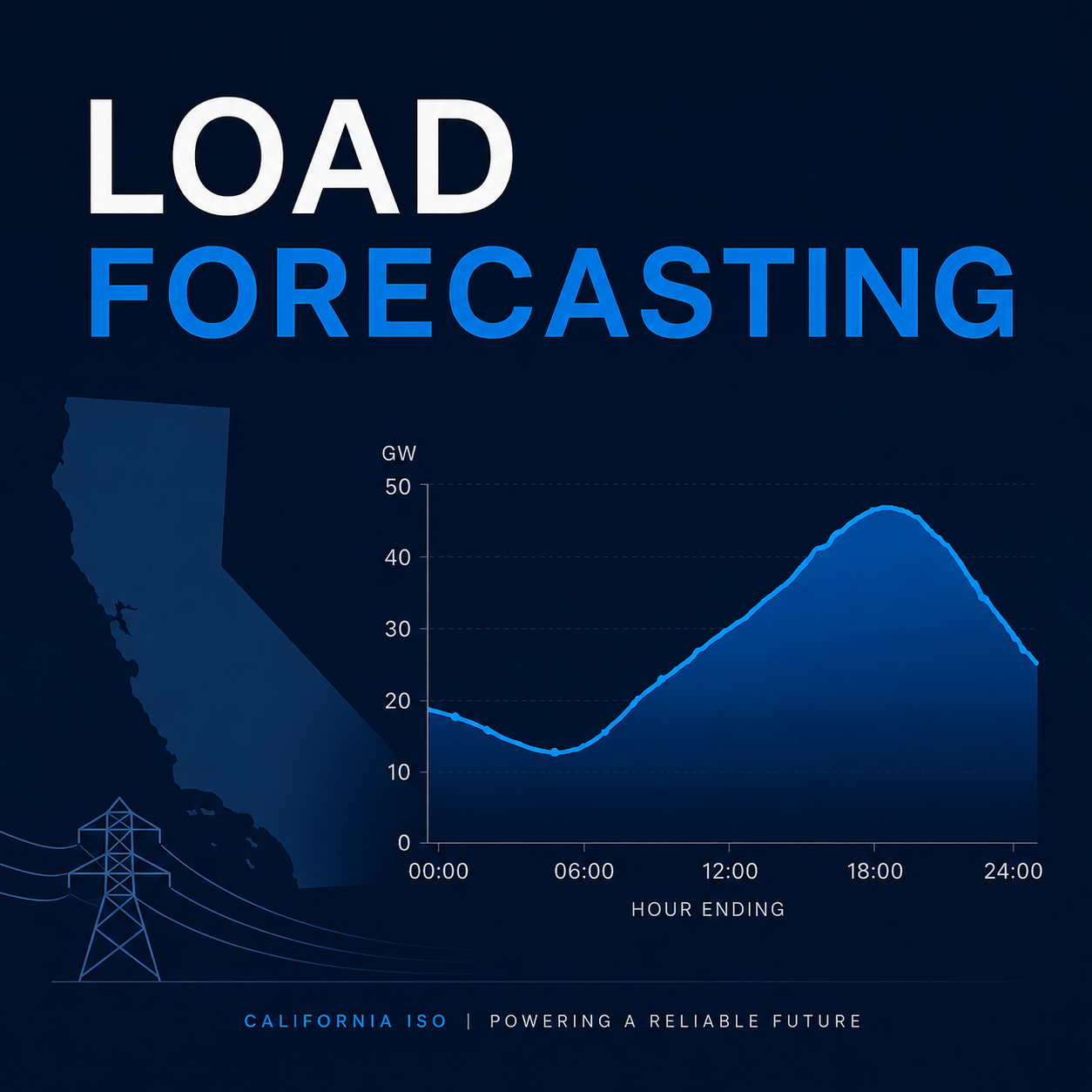
A time-series machine-learning project that predicts future electricity demand using historical load data. The model is designed to identify repeating patterns and estimate how energy usage will change over time.
How It Works
Historical demand data is cleaned and organized into time-based features such as hour, day, season, and previous load values. These features are used to train forecasting models and compare predicted demand against actual demand.
Key Features
The project includes interactive time-series graphs, actual-versus-predicted comparisons, error analysis, and demand-pattern visualization. It allows viewers to see both overall trends and periods where the model performs differently.
What I Learned
This project gave me practical experience with time-series data, lag features, forecasting, and model validation. It also taught me why chronological data must be evaluated differently from randomly sampled datasets.
Overview
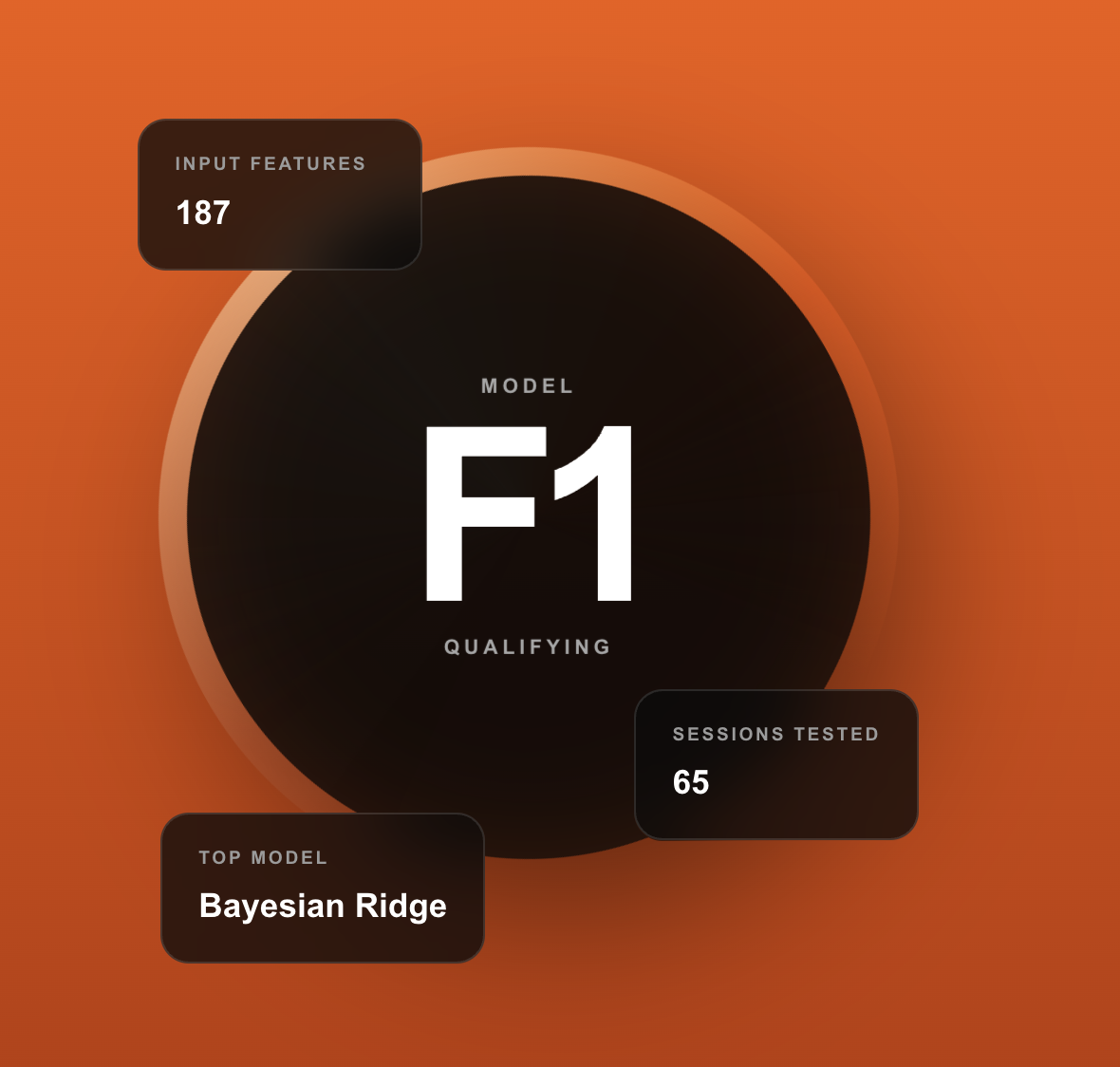
A data-analysis and machine-learning project that explores Formula 1 race performance using historical racing data. The goal is to identify patterns and estimate outcomes based on driver, constructor, circuit, and race information.
How It Works
Race data is cleaned, transformed, and converted into features that can be analyzed or used by predictive models. The results are displayed through graphs and charts that make comparisons and performance trends easier to understand.
Key Features
The project includes driver comparisons, constructor analysis, performance visualizations, and predictive modeling. Users can explore how qualifying position, recent form, and circuit history may affect race results.
What I Learned
This project taught me how to work with large real-world datasets that contain missing, inconsistent, and interconnected information. I also gained experience with feature engineering, model evaluation, and communicating results visually.
Overview
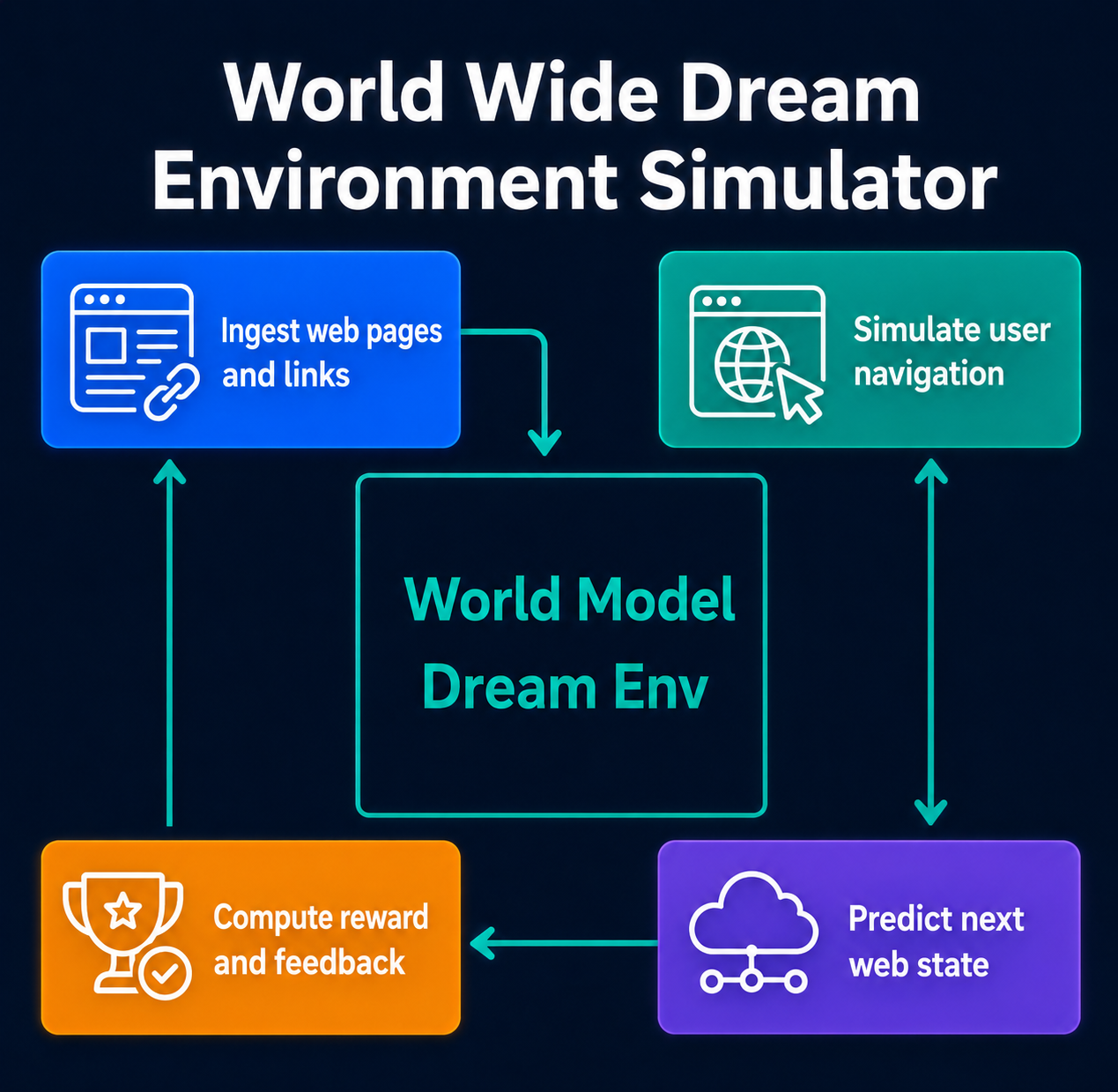
World Wide Web is a web-development project focused on reproducing the core experience of browsing and navigating connected content. It demonstrates how pages, links, user interactions, and shared application state can be organized within a modern website.
How It Works
The application uses reusable frontend components to display interconnected pages and respond to user navigation. Routing controls which content is displayed while maintaining a consistent layout across the application.
Key Features
The project includes responsive page layouts, reusable navigation components, interactive content, and organized routing. It was designed to remain usable across different screen sizes and devices.
What I Learned
This project helped me understand how the web connects pages, content, and user actions into one experience. I also improved my skills in responsive design, component organization, and frontend architecture.
Overview
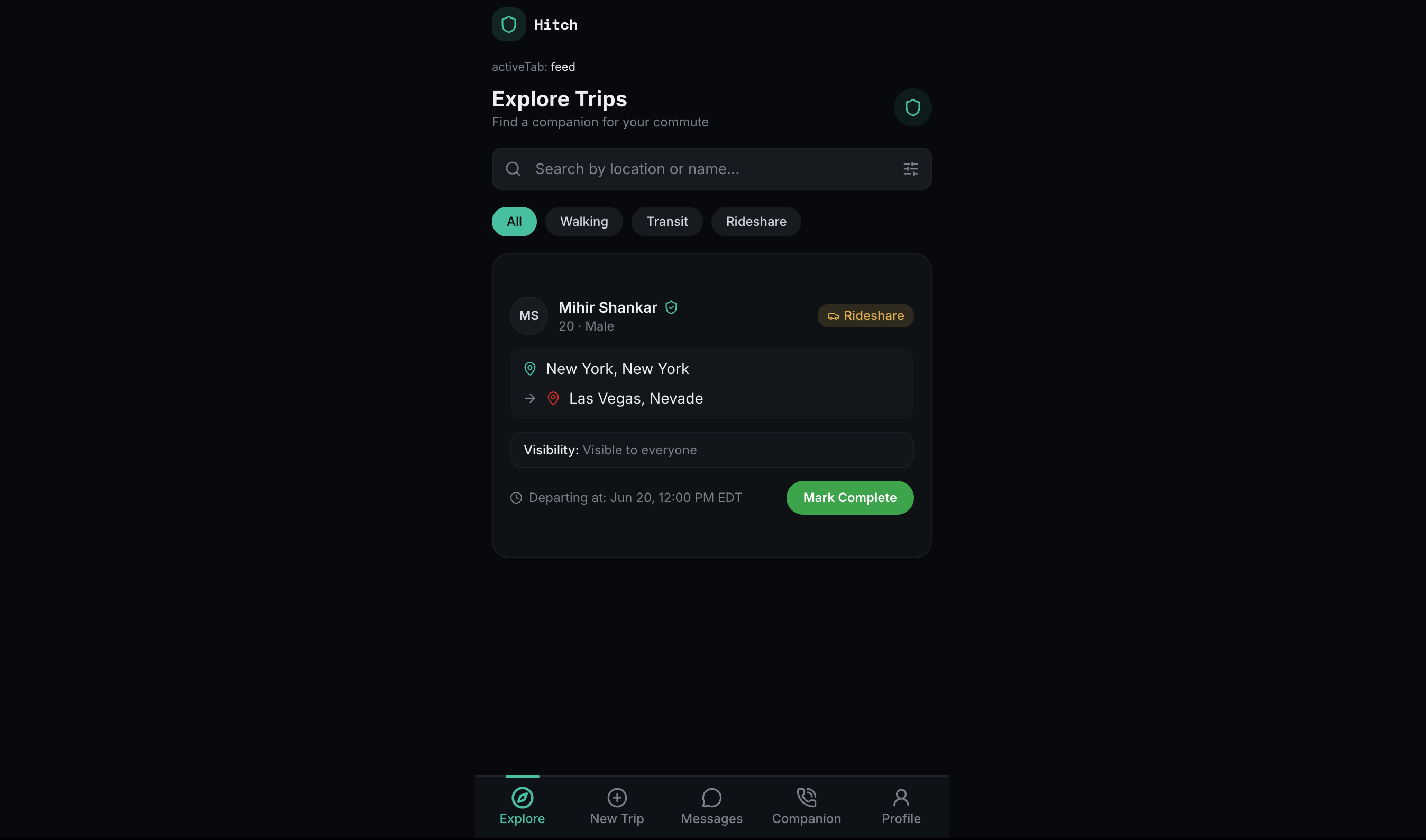
Hitch is a full-stack platform designed to help users connect with other people through profiles, preferences, and location-based information. It includes account creation, authentication, profile management, and an interactive user interface.
How It Works
The frontend sends profile and authentication requests to an Express backend, which validates the data and communicates with a database. JWT authentication is used to keep users signed in and protect private routes.
Key Features
Users can create an account, log in, edit their profile, upload information, and select locations using Google Maps. The application also includes reusable frontend components and centralized user-state management.
What I Learned
Hitch gave me experience building and debugging a larger application with several connected systems. I learned how frontend state, backend routes, databases, authentication, and third-party APIs work together.
Overview
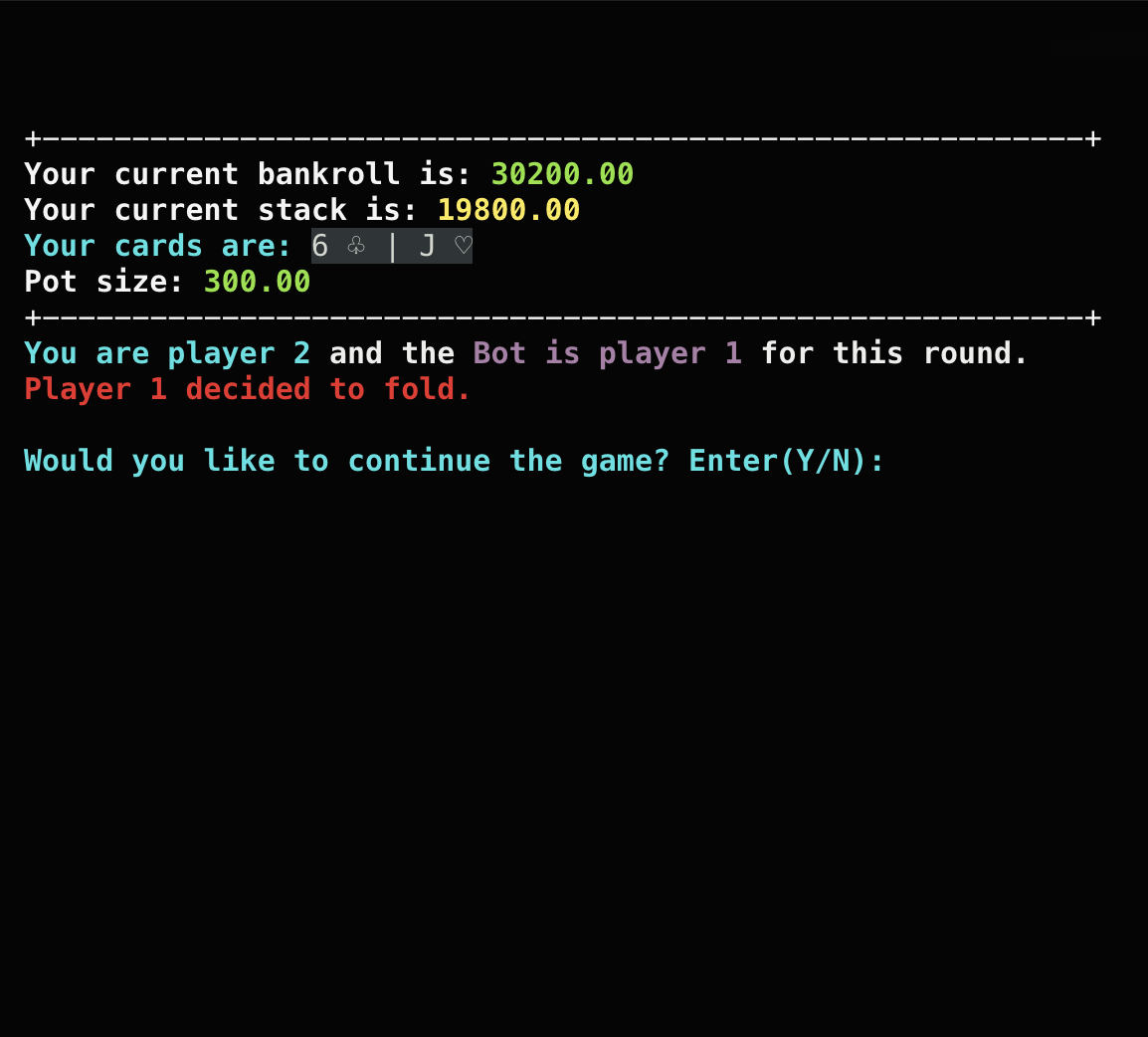
A two-player No-Limit Texas Hold’em simulator and poker-solving application originally developed in OCaml. The game focuses on simplified all-in or fold decisions using predefined solver ranges.
How It Works
The program tracks player stacks, blinds, pot size, cards, betting decisions, and game outcomes through an immutable game state. JSON strategy files determine how the computer responds to different starting hands and positions.
Key Features
The solver includes deck generation, hand evaluation, randomized dealing, bankroll tracking, input validation, and computer decision-making. It was later connected to a FastAPI WebSocket backend to support an interactive web version.
What I Learned
This project strengthened my understanding of functional programming, recursion, state transitions, and modular software design. It also taught me how to connect an OCaml program to a web-based frontend.
NLH Poker Game
Overview
A computer-vision model that identifies facial emotions from images. It was created to explore how emotion recognition could help instructors better understand student engagement during virtual learning.
How It Works
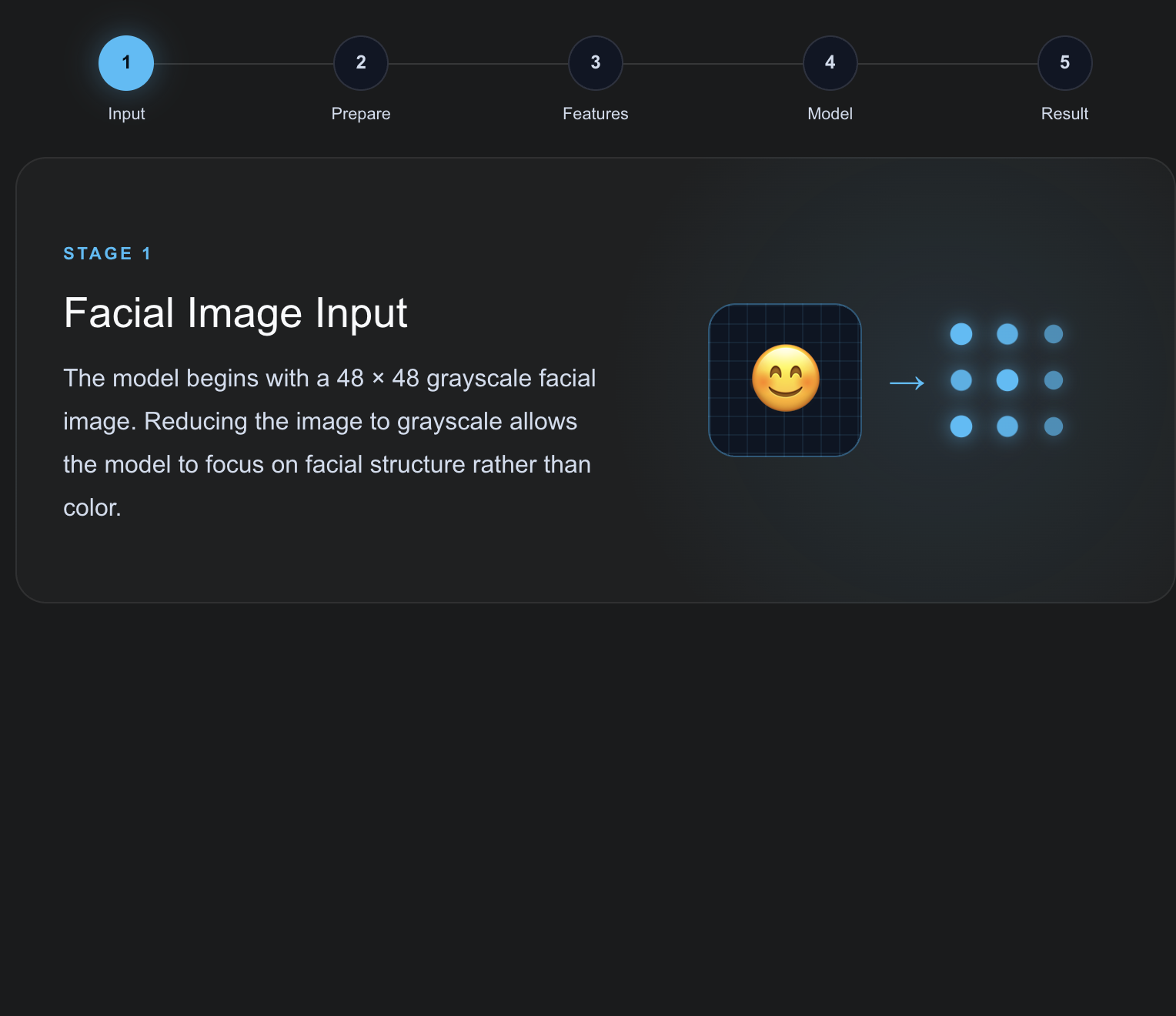
Images are processed with OpenCV and dlib to locate faces and extract facial landmarks. Multiple machine-learning models, including KNN, logistic regression, an MLP, and a CNN, were trained to classify five emotions.
Key Features
The model recognizes anger, happiness, sadness, surprise, and neutral expressions. The project includes image preprocessing, facial-landmark extraction, model comparison, accuracy measurements, and confusion-matrix visualizations.
What I Learned
This project taught me how to build an end-to-end computer-vision pipeline from raw data to model evaluation. I also learned how preprocessing choices, label consistency, and input dimensions can significantly affect model performance.
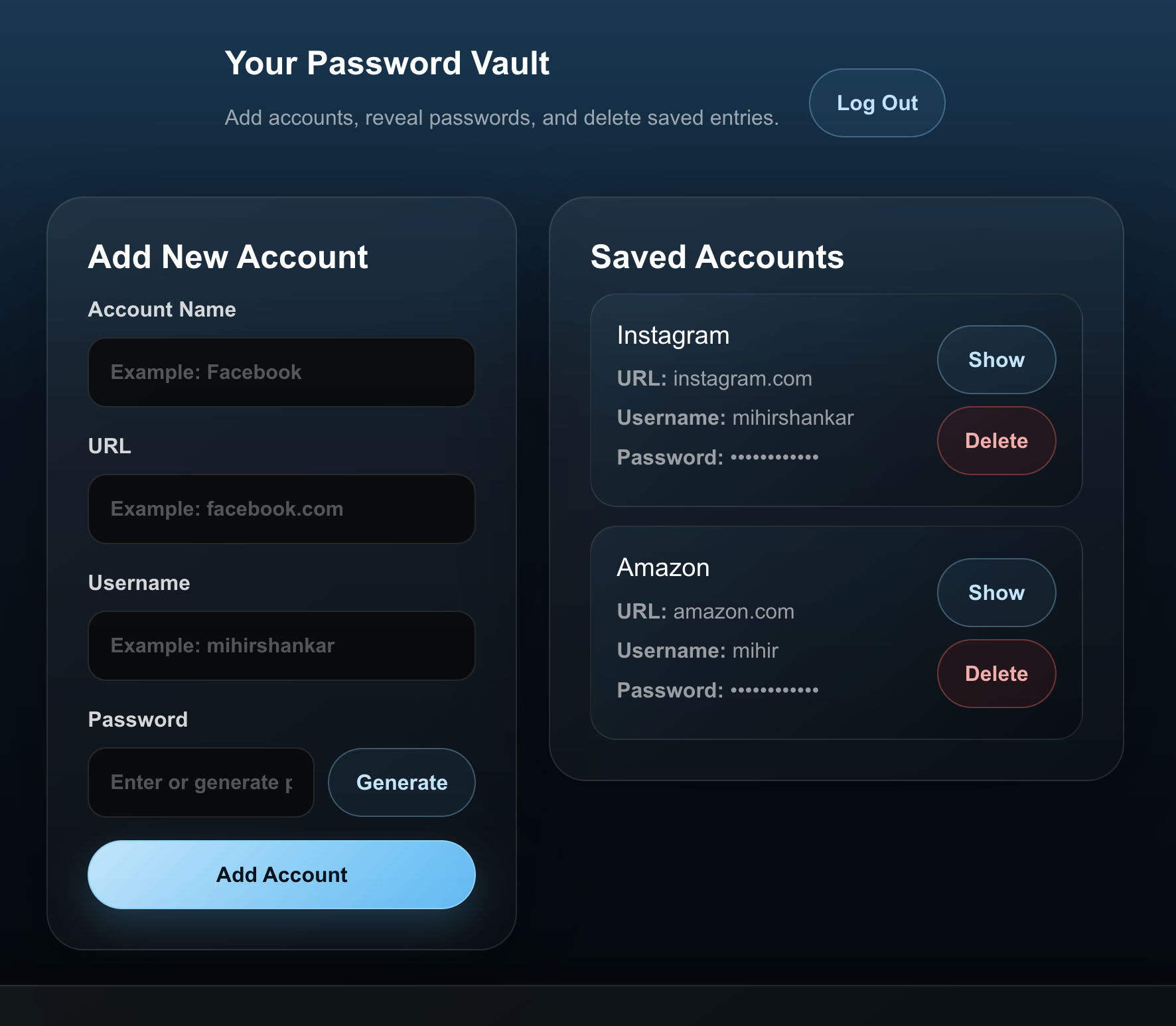
Overview
A secure password manager that allows users to store and retrieve account credentials from an encrypted database. The project began as a Python command-line application and was later connected to a web interface.
How It Works
A master password is processed with PBKDF2 to generate an encryption key. Account passwords are encrypted with Fernet before being saved to a JSON file, ensuring that plaintext passwords are never stored.
Key Features
Users can add, view, search for, and delete stored accounts. The project also includes a FastAPI backend that allows the original Python functionality to communicate with a modern frontend.
What I Learned
This project taught me how encryption, password-derived keys, salts, APIs, and persistent storage work together. It also gave me experience converting a standalone Python program into a full-stack application.